
Why Happy Childhood Memories Matter More Than You Think — And How Summer Vacation Can Shape Your Child’s Health for Life
The Summer Moments You Almost Skipped Could Be the Most Important Ones
You’re tired. The school year has been long. The kids are restless. And somewhere between planning the summer schedule and managing work deadlines, it’s easy to feel like summer vacation is just another thing to organise.
But what if we told you that the memories you create with your child this summer could literally shape their health 50 years from now?
This isn’t a feel-good theory. This is science. And once you understand what the research says, you will never look at summer vacation the same way again.
What the Research Actually Says
A landmark study published in Health Psychology, a peer-reviewed journal of the American Psychological Association, found that people who carry warm and loving memories of their parents from childhood experience significantly better health outcomes as adults.
The research, led by Dr. William J. Chopik from Michigan State University and Dr. Robin Edelstein from the University of Michigan, drew on data from over 22,000 participants across two nationally representative studies — the National Survey of Midlife Development in the United States and the Health and Retirement Study.
Here is what they found:
- Adults who remembered higher levels of affection from their mothers in early childhood experienced better physical health and fewer depressive symptoms later in life
- Those who recalled greater support from their fathers also experienced fewer depressive symptoms
- Participants with positive childhood memories had fewer chronic conditions in adulthood
- Most remarkably, these effects held true even when the memories were 50 years old
The lead researcher himself was surprised. Dr. Chopik noted that the team expected the effects to fade over time given how long ago the memories were formed. Instead, those childhood memories continued to predict better physical and mental health well into middle age and older adulthood.
📖 You can read the full research here: 🔗 https://www.apa.org/pubs/journals/releases/hea-hea0000730.pdf
Why Do Childhood Memories Have Such a Lasting Impact on Health?
The connection between memory and health is not accidental. It is deeply rooted in how the human brain and nervous system develop during childhood.
1. Memory Shapes How We Handle Stress
When children grow up in environments filled with warmth, affection, and support, their nervous systems learn to regulate stress more effectively. This physiological foundation stays with them into adulthood, making them more resilient in the face of life’s challenges.
2. Positive Memories Reinforce Healthy Behaviours
Dr. Chopik explained that good memories may guide healthier choices in life. When people have a secure and loving emotional foundation from childhood, they are more likely to make decisions that support their long-term wellbeing — from relationships to lifestyle habits.
3. Emotional Security Reduces Chronic Stress
Chronic stress is one of the leading contributors to physical illness, including heart disease, diabetes, and immune dysfunction. Children who feel loved and supported carry less psychological burden into adulthood, which directly reduces their chronic stress load.
4. The Brain Files Away Emotional Experiences
The brain’s memory systems, particularly the hippocampus and amygdala, are deeply intertwined. Emotionally significant experiences — like a parent being warm, present, and loving — are encoded more deeply and last longer than neutral memories. This is why the effects persisted even after five decades.
Summer Vacation: The Single Greatest Opportunity to Build Lasting Memories
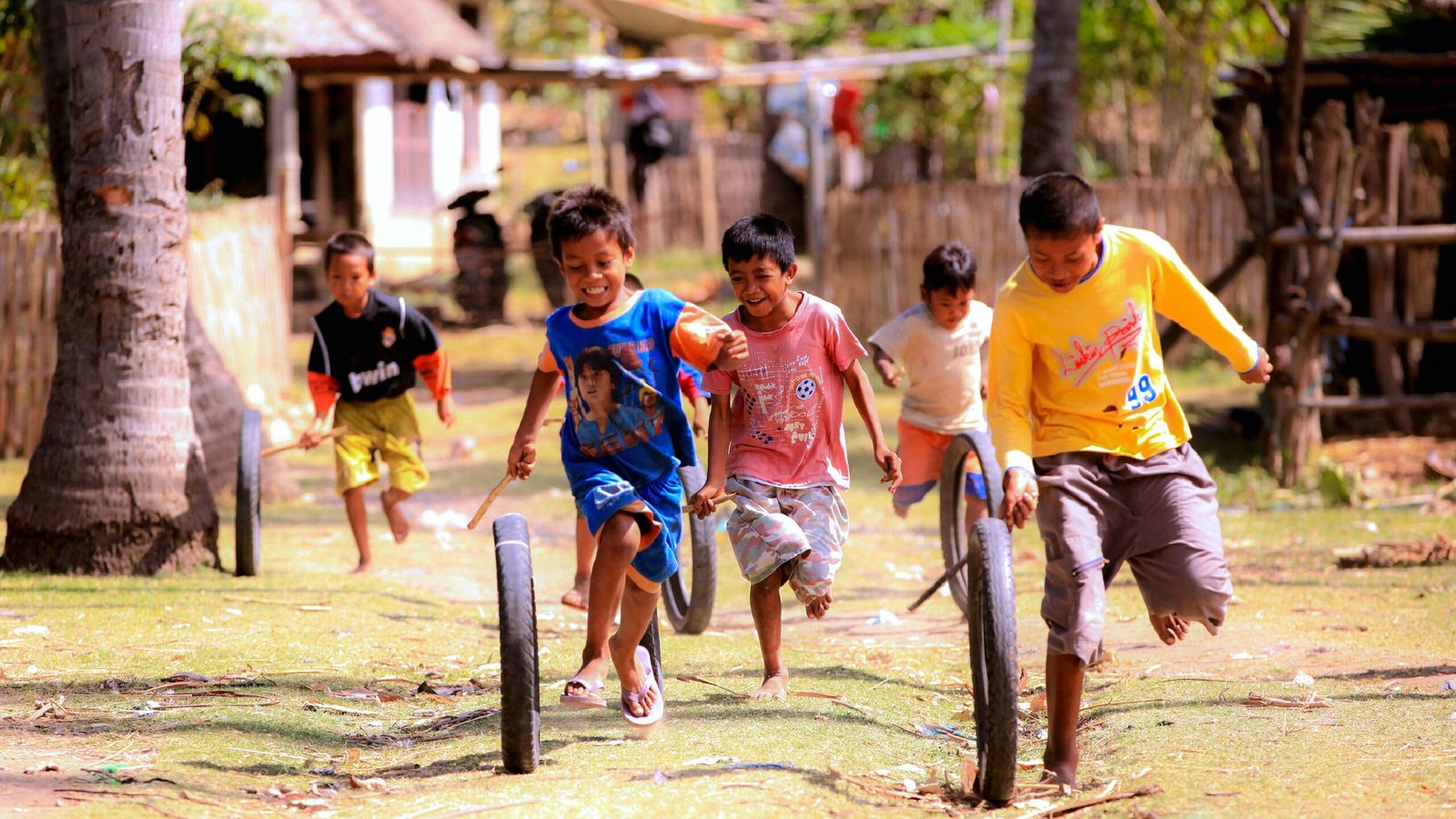
With the school year behind them, children enter a unique window of time during summer. The pressure is off. The routine relaxes. And for the first time in months, there is genuine space for unstructured, joyful connection between parent and child.
This is not a coincidence. This is an opportunity.
Here is why summer is uniquely powerful for memory building:
New Experiences Create Stronger Memories
Neuroscience tells us that novel experiences are encoded more vividly in memory than routine ones. Summer vacation, by its very nature, breaks the routine. A new beach, a new town, a new activity — all of these create the kind of vivid, emotionally rich memories that last a lifetime.
Relaxed Parents Are More Present Parents
When we are stressed, we are distracted. Summer often brings a slower pace, which means parents can actually be present — making eye contact, laughing freely, and engaging fully with their children. That quality of presence is exactly what the research shows matters most.
Shared Adventures Deepen Emotional Bonds
Whether it is a camping trip, a road trip, a visit to grandparents, or simply evenings in the backyard watching the stars — shared experiences create a sense of “us.” They build the narrative of family and belonging that children carry with them long into adulthood.
You Don’t Need an Expensive Holiday to Build Powerful Memories
One of the most important takeaways from this research is that it is not about grand gestures. It is about warmth, affection, and presence.
The study found that it was the perception of parental love and support — not material circumstances — that predicted better health outcomes. This means:
- A day at the local park matters
- A family movie night matters
- Cooking together matters
- A spontaneous water fight in the garden matters
- Reading bedtime stories matters
- Simply putting your phone down and listening to your child matters
The currency of childhood memory is not money. It is attention.
A Note for Fathers: Your Role Is More Important Than You May Realise
The research specifically highlighted the role of fathers, noting that memories of paternal support were linked to fewer depressive symptoms in adulthood. Historically, research in this area focused primarily on mothers as primary caregivers.
The study’s co-author Dr. Edelstein noted that with shifting cultural norms around fatherhood and caregiving, the impact of fathers on their children’s long-term health is likely to become even more significant in future generations.
If you are a father reading this — your presence this summer is not optional background noise. It is shaping the emotional architecture of your child’s adult life. Show up. Be warm. Be engaged. It matters profoundly.
Practical Ways to Build Happy Summer Memories With Your Children
Here are research-backed, practical ideas to make the most of this summer:
1. Unplug Intentionally Designate phone-free hours during family time. Your full attention is the greatest gift you can offer.
2. Say Yes More Often When your child asks you to play, explore, or try something new — say yes whenever you can. These are the moments they will remember.
3. Create Simple Rituals Morning walks, evening ice cream runs, Friday movie nights — simple recurring rituals create a sense of safety, predictability, and warmth that children deeply value.
4. Let Them Lead Allow your child to choose the activity sometimes. When children feel heard and respected, it deepens the emotional quality of the memory.
5. Talk About the Good Moments Revisiting happy experiences — “Remember when we built that sandcastle?” — reinforces positive memories and strengthens family bonds.
6. Be Physically Affectionate Hugs, high fives, a hand on the shoulder — physical affection is one of the most direct signals of love that children receive and remember.
7. Laugh Together Joy is one of the most powerful memory-makers. Don’t take summer too seriously. Be silly. Be playful. Let your child see you laugh.
The Bigger Picture: Parenting as a Public Health Strategy
This research invites us to think about parenting not just as a personal responsibility but as a public health strategy.
If warm, loving childhood memories reduce depression, chronic illness, and poor health outcomes in millions of adults, then investing in family time, parental presence, and childhood wellbeing is not just good parenting — it is one of the most cost-effective health interventions available to society.
For policymakers, employers, and organisations, this means:
- Generous parental leave and flexible working arrangements are health investments
- School holiday support for working parents is a public health concern
- Community programmes that support family bonding have measurable long-term health benefits
The ripple effects of a loving childhood are not just felt in one family. They are felt across generations and across healthcare systems.
Conclusion: Make This Summer Count
The research is clear. The memories your child makes this summer — the laughter, the adventures, the quiet moments of connection — are not fleeting. They are being written into the architecture of their future health and happiness.
You do not need a perfect plan. You do not need a big budget. You need to show up, be present, be warm, and be loving.
Because 50 years from now, when your child is navigating the challenges of adult life, the memories they carry of this summer could be quietly protecting their health, reducing their stress, and reminding them that they were loved.
That is the most powerful thing you will ever give them.
Make this summer count. 💛
📖 Research Source: “Retrospective Memories of Parental Care and Health from Mid to Late Life” — Chopik & Edelstein, Health Psychology (2018), American Psychological Association. 🔗 https://www.apa.org/pubs/journals/releases/hea-hea0000730.pdf