
The Hidden Impact of Appearance-Based Comments: How Casual Remarks Can Shape Body Image and Mental Health
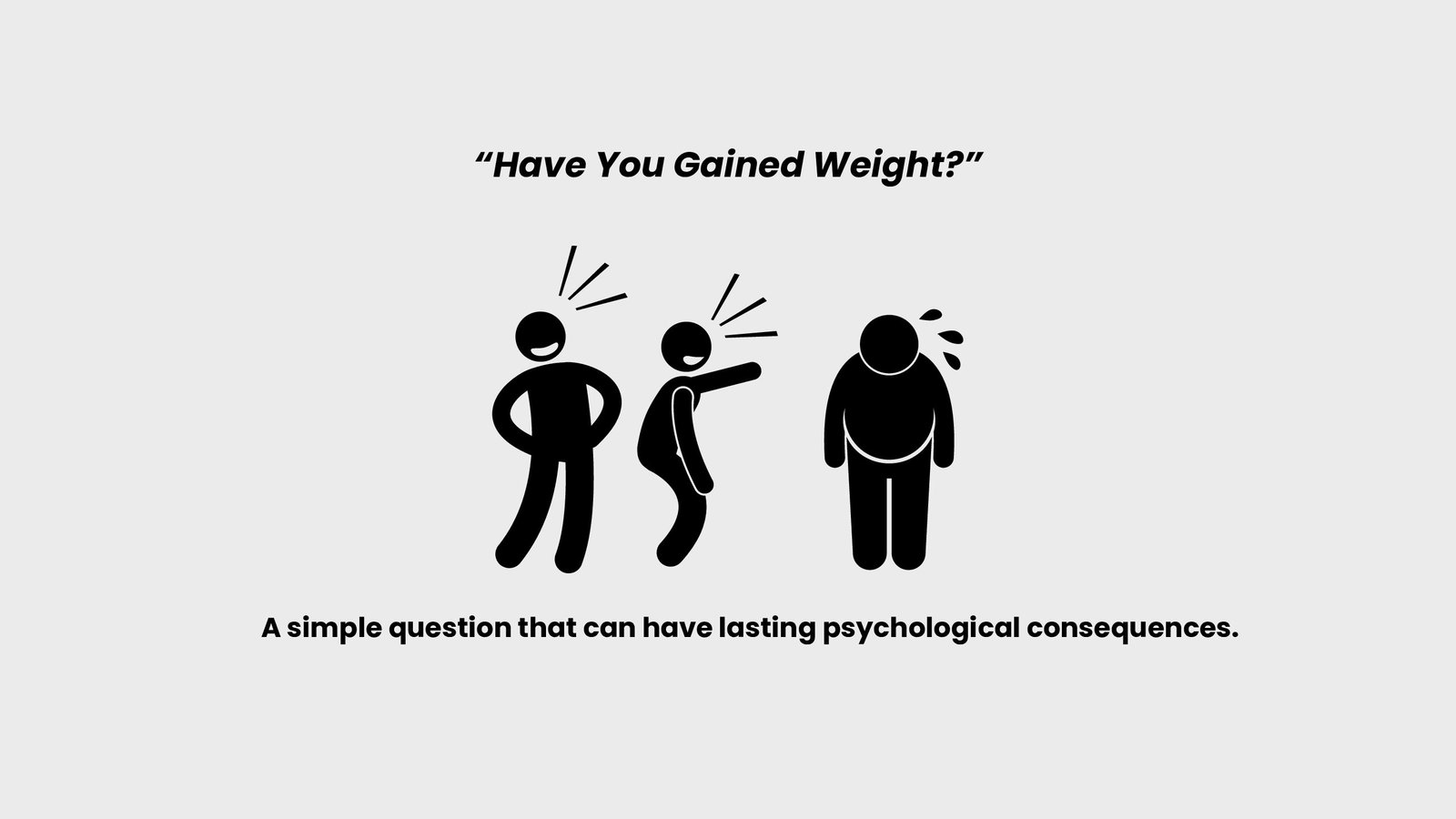
“Have you gained weight?”
“You looked better before.”
“You should lose a few kilos.”
Many people view these as harmless observations or casual conversation starters. Yet, as a psychologist working with individuals experiencing body image concerns, disordered eating, and eating disorders, I have witnessed how seemingly small comments can leave lasting emotional scars.
Often, clients can recall a specific remark about their appearance years—even decades—after it was made. While the person who made the comment may have forgotten it, the recipient may continue carrying its impact in the form of self-doubt, body dissatisfaction, shame, and a critical inner voice.
Why Appearance-Related Comments Matter
Humans are social beings. We naturally seek acceptance, belonging, and validation from others. Comments about our appearance can therefore carry significant emotional weight, particularly during vulnerable periods such as childhood, adolescence, postpartum recovery, illness, or major life transitions.
When a person’s body becomes the focus of evaluation, they may begin to associate their worth with their appearance. Over time, repeated exposure to appearance-focused feedback can shape how they view themselves and their bodies.
Research has linked body shaming and weight-related criticism to:
• Lower self-esteem
• Increased body dissatisfaction
• Anxiety and depression
• Social withdrawal
• Unhealthy dieting behaviours
• Emotional eating
• Disordered eating patterns
• Increased risk of eating disorders
The impact is often amplified when comments come from family members, close friends, teachers, romantic partners, or authority figures whose opinions hold particular significance.
When “Concern” Sounds Like Criticism
Many appearance-based comments are not intended to be hurtful. They may stem from concern, cultural norms, or habitual conversation patterns
Examples include:
• “You should watch your weight.”
• “You’ve become so thin.”
• “You looked healthier before.”
• “Don’t eat that; you’ll gain weight.”
• “You’d be more attractive if you lost a little weight.”
Even when well-intentioned, such remarks can reinforce the idea that a person’s value is linked to their body size or appearance.
For someone already struggling with body image concerns, these comments can intensify feelings of inadequacy and self-criticism.
The Role of Social Media and Appearance-Focused Culture
Today’s digital environment has made appearance-based comparisons more common than ever.
Social media platforms often reward content that emphasizes:
• Weight loss transformations
• Perfect body ideals
• Beauty standards
• Diet culture
• Unrealistic lifestyle portrayals
As people scroll through carefully curated images and videos, they may begin comparing themselves to standards that are often filtered, edited, or unattainable.
This constant exposure can contribute to:
• Negative body image
• Appearance anxiety
• Reduced self-confidence
• Obsessive body checking
• Increased vulnerability to eating disorders
While social media can also be a source of education and support, it is important to consume content mindfully and critically.
The Hidden Voice That Develops
One of the most concerning effects of repeated appearance-focused comments is the development of an internal critic.
Over time, external comments become internal beliefs:
• “I’m not attractive enough.”
• “My body isn’t acceptable.”
• “I need to change to be valued.”
• “I’m only worthy if I look a certain way.”
These beliefs can become deeply ingrained and influence relationships, confidence, career decisions, and overall mental wellbeing.
What began as a casual remark can eventually shape a person’s self-perception for years.
What to Say Instead
Rather than commenting on someone’s appearance, consider acknowledging qualities that reflect who they are as a person.
Examples include:
• “I admire your dedication.”
• “You have a wonderful sense of humour.”
• “Your kindness makes a difference.”
• “I appreciate how supportive you are.”
• “You handled that situation with courage.”
These types of compliments strengthen self-worth without tying value to physical appearance.
Creating a More Supportive Culture
Whether we are parents, educators, healthcare professionals, managers, colleagues, friends, or content creators, we all influence the conversations around body image.
Before commenting on someone’s appearance, ask yourself:
• Is it necessary?
• Is it helpful?
• Is it kind?
Small shifts in language can create safer environments where people feel valued for their character, strengths, and contributions rather than their body size or appearance.
Final Thoughts
Words matter.
A casual comment about someone’s weight or appearance may last only a few seconds for the speaker, but it can remain with the listener for years.
As we continue to raise awareness about mental health, body image, and eating disorders, it is worth remembering that compassion starts with everyday conversations.
Let’s move beyond appearance-based judgments and create a culture where people are appreciated for who they are—not simply for how they look.
Because a person’s worth has never been defined by a number on a scale, a clothing size, or the opinions of others.