

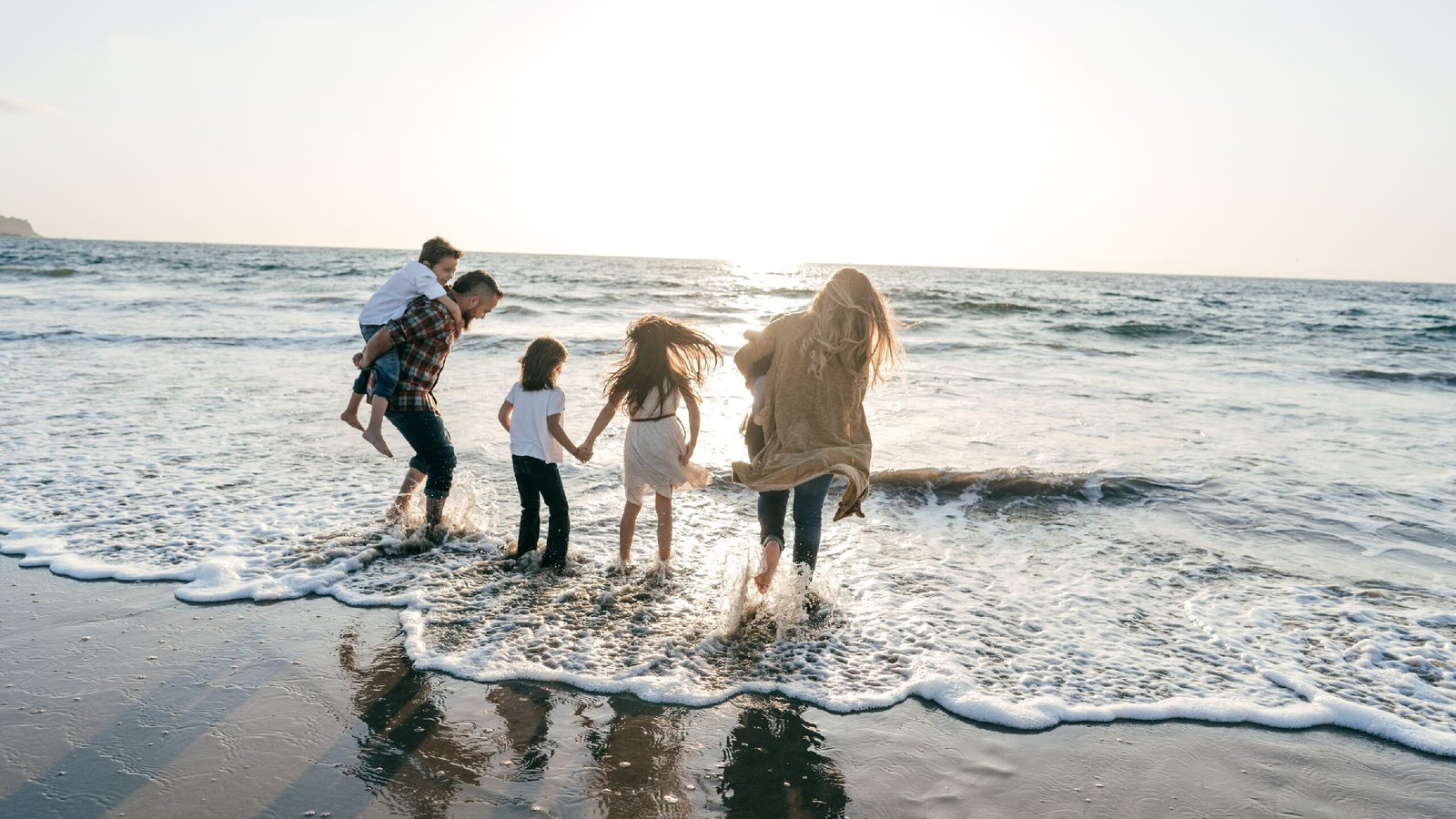
The Psychology of Family Vacations and Childhood Memories
As summer vacations arrive, many parents begin searching for the perfect family getaway. We compare destinations, read hotel reviews, plan activities, and often spend a significant amount of time and money trying to create an unforgettable experience for our children.
But what if the most memorable part of a vacation has very little to do with the destination itself?
As a counselling psychologist, I often hear adults reflect on their childhood memories. Interestingly, the stories that stay with them are rarely about luxury hotels, expensive attractions, or perfectly planned itineraries.
Instead, they remember how they felt.
They remember feeling loved, safe, connected, valued, and understood.
This raises an important question for parents:
Do children remember expensive vacations, or do they remember emotional experiences shared with their families?
The answer may transform the way we think about family vacations.
What Psychology Says About Childhood Memories
Research in developmental psychology suggests that children are more likely to retain memories associated with strong emotions than memories tied to material details.
A child may forget:
- The name of the resort
- The cost of the trip
- The flight route
- The luxury amenities
But they are far more likely to remember:
- Laughing with their parents during a road trip
- Playing games together
- Sharing stories before bedtime
- Feeling important and included
- Experiencing genuine family connection
The emotional atmosphere surrounding an experience often determines whether it becomes a lasting memory.
This is because emotions help strengthen memory formation in the brain.
When children experience joy, safety, excitement, belonging, and connection, those moments become deeply meaningful and easier to recall years later.
Why Presence Matters More Than Perfection
Many parents feel pressure to create a “perfect” vacation.
Social media often reinforces the belief that family trips need to be elaborate, luxurious, and Instagram-worthy.
However, children are not evaluating vacations the way adults do.
They are asking different questions:
- Did my parents spend time with me?
- Did we laugh together?
- Did I feel loved?
- Did I feel important?
- Were my parents emotionally available?
Children do not need perfect vacations.
They need present parents.
A simple weekend trip where parents are fully engaged can create stronger memories than an expensive holiday where everyone is distracted by phones, work calls, or constant scheduling.
The Hidden Mental Health Benefits of Family Vacations
Family vacations offer more than relaxation.
They create opportunities for emotional bonding and psychological well-being.
1. Stronger Parent-Child Relationships
When daily routines slow down, families often spend more quality time together.
Shared experiences strengthen emotional bonds and foster trust.
2. Increased Emotional Security
Children feel more secure when they receive focused attention from their caregivers.
This sense of security supports healthy emotional development.
3. Reduced Stress
Vacations can provide a break from academic pressures, work stress, and overscheduled routines.
Both children and parents benefit from opportunities to rest and recharge.
4. Positive Family Narratives
Families often build shared stories through vacations.
These stories become part of a child’s identity and create a sense of belonging.
Are We Creating Memories or Managing Itineraries?
Modern parenting often comes with pressure to maximize every experience.
Many vacations become tightly packed schedules filled with sightseeing, activities, classes, and constant movement.
While experiences can be valuable, children also need space for:
- Spontaneous fun
- Curiosity
- Exploration
- Play
- Meaningful conversations
Sometimes the moments children treasure most are the ones that were never planned.
The unexpected ice cream stop.
The funny conversation during a long drive.
The board game played during a rainy afternoon.
The walk where everyone talked without distractions.
These moments may seem small to adults, but they often become lifelong memories.
How Parents Can Create Meaningful Vacation Memories
Put Away the Phone
Children notice when parents are physically present but emotionally absent.
Limiting screen time allows for deeper connection and engagement.
Focus on Shared Experiences
Choose activities that encourage interaction rather than passive entertainment.
Create Family Rituals
Simple rituals such as storytelling, evening walks, or sharing highlights of the day can become cherished traditions.
Slow Down
Not every minute needs to be planned.
Leave room for rest, spontaneity, and connection.
Listen More
Vacations can provide opportunities to learn about your child’s thoughts, interests, fears, and dreams.
Sometimes the most meaningful moments happen during ordinary conversations.
The Real Souvenir Children Bring Home
When parents think about family vacations, it is natural to want to give children the best experiences possible.
But the greatest gift is not luxury.
It is connection.
Long after the photos have been stored away and the souvenirs have been forgotten, children carry something far more valuable:
The memory of how they felt with the people they love.
They remember the parent who laughed with them.
The parent who listened.
The parent who played.
The parent who was fully present.
Because children do not measure vacations by their price tag.
They measure them by the moments that made them feel loved.
Final Thought
This summer, instead of asking:
“How can I make this vacation more impressive?”
Consider asking:
“How can I make my child feel more connected, loved, and seen?”
Years from now, that is what they are most likely to remember.
Author: Dr. Harshmeet Kaur
Counselling Psychologist | Mental Health Advocate | Parenting & Emotional Well-being Expert