

PMOS Explained: Why the Renaming of PCOS Matters for Mental Health and Hormonal Health
Something significant has happened in women’s health.
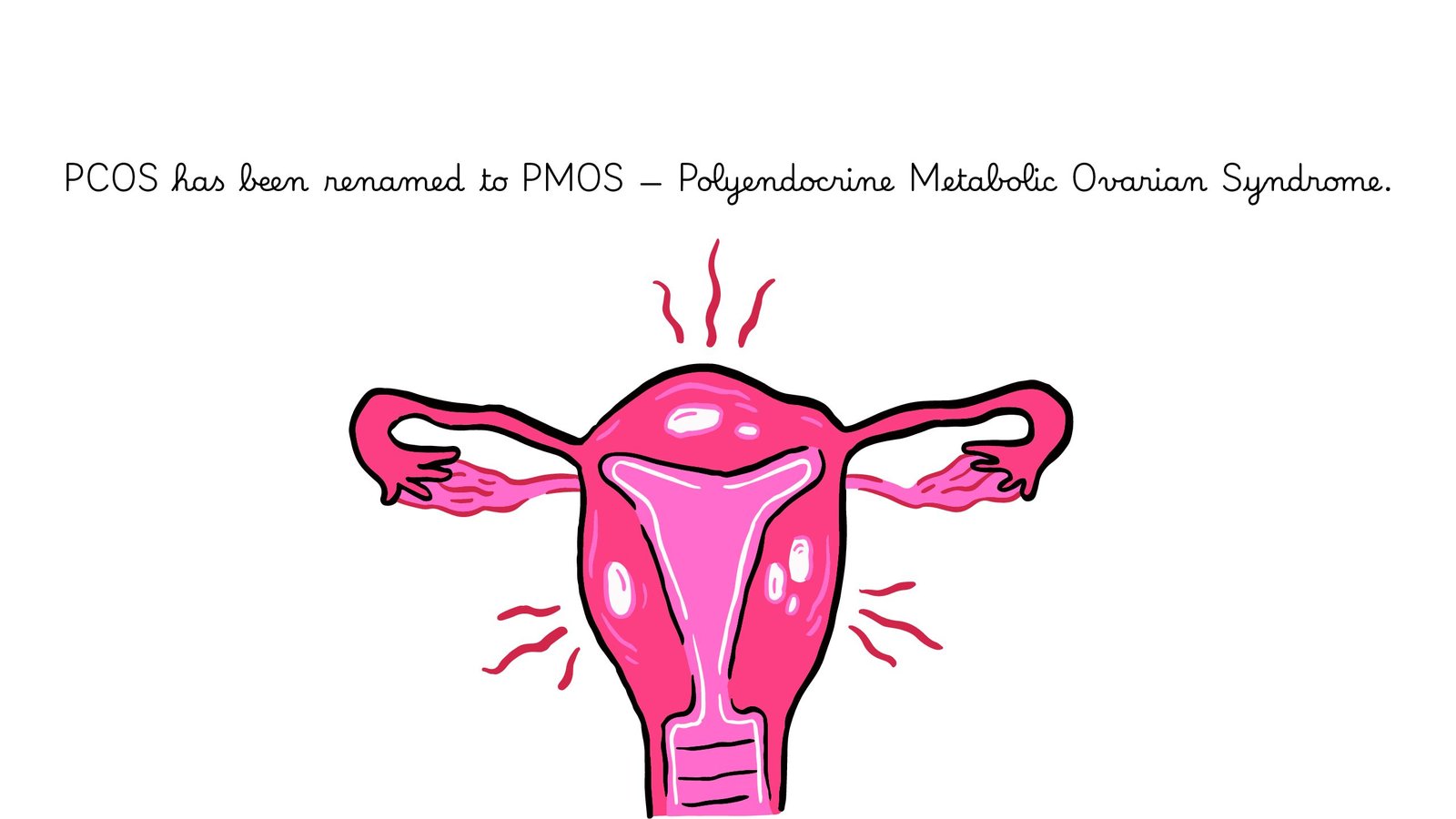
Polycystic Ovary Syndrome (PCOS) is now being referred to as PMOS — Polyendocrine Metabolic Ovarian Syndrome.
At first glance, this may seem like a simple terminology update. In reality, it reflects a much deeper understanding of what this condition actually involves.
As a psychologist, I believe this change is important because it validates what many women have experienced for years: this condition is not just about periods, ovaries, or fertility. It can affect mood, anxiety, self-esteem, body image, relationships, and overall quality of life.
Why Was PCOS Renamed to PMOS?
The term Polycystic Ovary Syndrome has long been considered incomplete and, in many ways, misleading.
What the Old Name Missed
The name PCOS focused on:
- Ovaries
- Follicles seen on ultrasound (often referred to as cysts)
- Reproductive symptoms
But women living with this condition often experience much more than reproductive concerns.
What PMOS Reflects
Polyendocrine Metabolic Ovarian Syndrome acknowledges that this condition involves:
- Multiple hormonal systems
- Insulin resistance
- Chronic inflammation
- Metabolic dysfunction
- Ovulation and fertility challenges
- Mental health and emotional wellbeing
This new terminology helps clinicians, families, and patients understand that PMOS is a whole-person condition.
Who Led the Name Change?
The renaming was the result of a large international collaboration led by Professor Helena Teede and supported by more than 50 medical and patient organizations worldwide.
This global effort reflects years of research and advocacy aimed at improving understanding, diagnosis, and treatment.
PMOS Symptoms: More Than Reproductive Health
PMOS can affect many areas of life, including:
Physical Symptoms
- Irregular or absent periods
- Acne
- Excess facial or body hair
- Hair thinning
- Weight changes
- Difficulty conceiving
- Fatigue
- Brain fog
Metabolic Symptoms
- Insulin resistance
- Prediabetes or type 2 diabetes risk
- Increased cardiovascular risk
- Inflammation
Psychological Symptoms
- Anxiety
- Depression
- Mood swings
- Irritability
- Emotional overwhelm
- Body image concerns
- Low self-esteem
- Relationship difficulties
The Psychological Impact of PMOS
One of the most overlooked aspects of PMOS is its impact on mental health.
Many women report feeling:
- Misunderstood
- Dismissed
- Ashamed of their bodies
- Frustrated by symptoms they cannot fully control
- Emotionally exhausted
They are often told they are:
- Overreacting
- Lazy
- Too emotional
- Simply stressed
However, these experiences are not just psychological reactions. They are influenced by genuine physiological processes.
How Hormones Affect Mood and Emotions
In therapy, hormonal health is one of the important questions I ask women because biology and psychology are deeply interconnected.
Insulin Resistance and Mood
Insulin resistance can contribute to:
- Energy crashes
- Brain fog
- Irritability
- Anxiety
- Low mood
Elevated Androgens
Higher androgen levels may be associated with:
- Acne and hair growth
- Lower self-confidence
- Stress sensitivity
Chronic Inflammation
Inflammation has been linked to:
- Fatigue
- Depressive symptoms
- Reduced emotional resilience
Sleep Disturbances
Poor sleep can worsen:
- Mood regulation
- Concentration
- Stress tolerance
These are biological realities that often appear in the therapy room.
Why PMOS Requires Comprehensive Treatment
The new name encourages a more integrated approach to care.
Medical Treatment
A gynecologist or endocrinologist may address:
- Hormonal regulation
- Insulin resistance
- Fertility concerns
- Long-term health risks
Nutritional Support
A qualified dietitian can help with:
- Blood sugar regulation
- Sustainable eating patterns
- Reducing inflammation
Psychological Support
Therapy can help address:
- Anxiety and depression
- Body image distress
- Emotional eating
- Relationship challenges
- Stress management
- Self-compassion
PMOS is best managed when the whole person is treated.
Why Therapists Should Ask About Hormonal Health
For psychologists, counselors, and mental health professionals, hormonal health belongs in the intake process.
This is particularly relevant when clients present with:
- Anxiety
- Depression
- Mood changes around menstrual cycles
- Body image concerns
- Fertility stress
- Relationship difficulties
- Chronic fatigue
Understanding hormonal influences can improve formulation and treatment planning.
Why PMOS Awareness Matters for Partners and Families
PMOS does not affect only the individual.
Partners and family members often witness:
- Emotional highs and lows
- Fatigue
- Frustration
- Reduced self-confidence
- Fertility-related distress
Greater awareness can lead to:
- More empathy
- Less judgment
- Better communication
- Stronger relationships
Hormone-related mood changes are not a character flaw. They are part of a legitimate medical condition.
PMOS in the Workplace
PMOS affects a significant number of women and may influence:
- Energy levels
- Concentration
- Stress tolerance
- Emotional regulation
Employers and HR professionals can support employees by recognizing that these are health-related challenges, not performance issues.
How Therapy Can Help Women with PMOS
Therapy can provide evidence-based support for:
- Managing anxiety and depression
- Improving body image
- Coping with fertility concerns
- Navigating relationship strain
- Reducing shame and self-criticism
- Building healthier routines
- Developing emotional resilience
Approaches such as Cognitive Behavioral Therapy (CBT), Acceptance and Commitment Therapy (ACT), and self-compassion-based interventions can be especially helpful.
Reducing the Stigma Around PMOS
The shift from PCOS to PMOS has the potential to:
- Improve public understanding
- Validate women’s experiences
- Reduce stigma
- Encourage earlier diagnosis
- Promote multidisciplinary treatment
- Increase support from partners and families
A more accurate name leads to more accurate conversations.
This Is Not “Just in Your Head”
If you live with PMOS and have struggled with mood changes, fatigue, anxiety, or body image concerns, your experience is real.
Your mind and body are connected.
When hormonal and metabolic factors are acknowledged, treatment becomes more compassionate and effective.
Free PMOS Guide from a Psychologist’s Perspective
I have created a free evidence-based guide on PMOS that explores:
- The psychological impact of PMOS
- Hormonal health and emotional wellbeing
- Evidence-based coping strategies
- How partners and families can help
Book a Therapy Session
If you are experiencing anxiety, mood changes, body image concerns, or relationship difficulties related to PMOS, therapy can help.
WhatsApp: 9872788768
Email: dr.harshmeet@gmail.com
Final Thoughts
The renaming of PCOS to PMOS is more than a change in terminology.
It is a recognition that hormonal health affects mental health, relationships, and overall wellbeing.
As a psychologist, I believe this shift will help women feel better understood and encourage clinicians to address hormone-related mood changes as part of the therapeutic process.
Because when we name something accurately, we can finally treat the whole person.
Frequently Asked Questions (FAQ)
What is PMOS?
PMOS stands for Polyendocrine Metabolic Ovarian Syndrome, the updated term for PCOS.
Why was PCOS renamed?
The old name focused too narrowly on ovarian findings and did not reflect the hormonal and metabolic nature of the condition.
Can PMOS affect mental health?
Yes. PMOS is associated with anxiety, depression, mood changes, body image concerns, and relationship stress.
Should therapy include questions about hormonal health?
Absolutely. Hormonal and metabolic factors can significantly influence emotions and behavior.
Is PMOS treated with therapy alone?
No. The most effective approach often combines medical care, nutritional support, and psychological treatment.